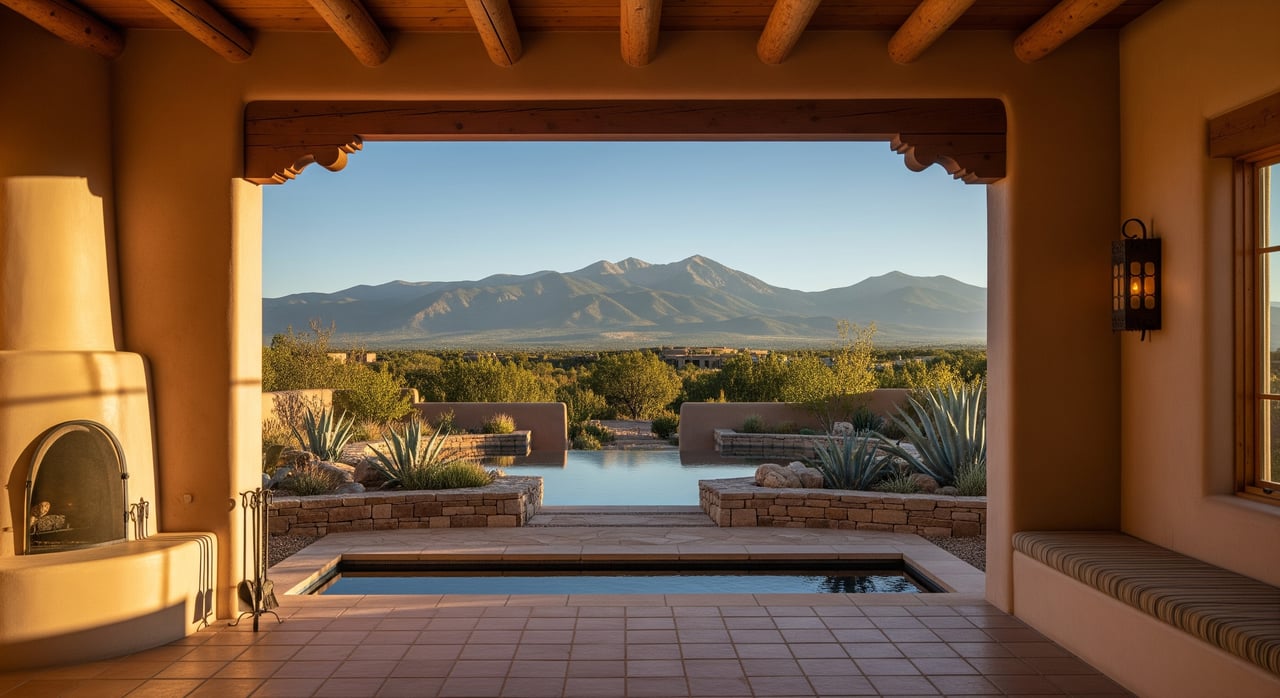
Eyeing a historic adobe or a view property in Santa Fe and wondering if the mortgage you need is bigger than “normal”? You are not alone. In many Santa Fe neighborhoods, prices and property types push buyers into jumbo financing, which follows different rules than standard conforming loans. In this guide, you will learn how jumbo loans work, what lenders look for, and how Santa Fe’s unique homes affect approval. Let’s dive in.
What a jumbo loan means in Santa Fe
A jumbo loan is a mortgage that exceeds the conforming loan limit set each year by the Federal Housing Finance Agency. Once your loan amount goes over that limit for Santa Fe County, you move into jumbo territory. These loans are not backed by Fannie Mae or Freddie Mac, so lenders set tighter standards and price risk on their own.
Santa Fe’s mix of historic Eastside adobes, custom estates, and high-demand second homes means you will often run into jumbo underwriting. The shift matters because lenders will ask for stronger credit, larger down payments, and more documentation. Rates can be slightly higher or similar to conforming loans depending on the market and your profile.
How jumbo underwriting works
Bottom line: jumbo loans reward strong, well-documented buyers. Knowing the levers helps you prepare and compare offers.
Down payment and LTV tiers
Lenders look at loan-to-value ratio, or LTV, to size risk.
- Primary residence: Many lenders allow up to about 80 to 90 percent LTV for top-tier borrowers, though 70 to 80 percent often leads to easier approval.
- Second home: Expect lower maximum LTV, typically 70 to 80 percent.
- Investment property: Standards are stricter, often 65 to 75 percent LTV.
You will likely need liquid reserves equal to several months of mortgage payments. For larger jumbo loans, 6 to 12 months of reserves is common.
Credit score and debt-to-income
Jumbo loans favor higher credit scores, often 700 and above, with the best pricing in the mid to high 700s. Lenders also watch your debt-to-income ratio closely. A lower DTI and stable income history can improve your chances of approval and better terms.
Income and asset documentation
Most jumbo programs require full documentation. Plan to provide W-2s, pay stubs, and for self-employed buyers, tax returns. Lenders verify assets for down payment, closing costs, and reserves. Some programs may accept gifts for primary residences, but this is lender specific. There are also specialized options like bank statement or asset-based jumbos, but they tend to carry higher rates.
Rates, structures, and locks
Jumbo pricing moves with market liquidity and your profile. At times, jumbo rates have been slightly higher than conforming, and other times they have been competitive or even a touch lower. You can choose fixed or adjustable-rate structures. If rate movement worries you, ask about locks and float-down options.
PMI, piggybacks, and second liens
Private mortgage insurance is typically not available for standard jumbo loans the way it is for lower-down-payment conforming loans. That makes the 20 percent down threshold more important if you want to avoid higher LTV pricing. Some buyers pair a first mortgage with a second lien or HELOC to keep the first loan below a limit. This can help with pricing or underwriting, but it adds complexity, separate approvals, and different interest rates.
Santa Fe property factors lenders review
Santa Fe’s character-rich homes are a draw, but they can add steps to underwriting. Plan ahead and choose partners who know the terrain.
Appraisals for unique and historic homes
Adobe construction, custom hacienda styles, guesthouses, and large acreage can make comparable sales scarce. Appraisers may use additional methods, like cost approach or larger adjustments. For rural or complex properties, you may see longer appraisal timelines or even a second appraisal. Build room into your contract for this work.
Title, easements, water rights, and acequias
Clear title is essential. In Santa Fe, shared access roads, conservation or view easements, and historic overlays can appear in the title report. Rural properties may involve wells, septic systems, or irrigation via community acequias. Lenders may require documentation that water rights and access are usable and properly recorded.
Historic districts and preservation rules
Homes in designated historic districts often follow preservation guidelines that limit exterior changes. Lenders consider these constraints when reviewing marketability and replacement cost. Insurance carriers may also factor this into coverage and pricing.
Insurance and wildfire exposure
Greater Santa Fe has wildfire risk in certain areas. You will need acceptable homeowner’s insurance. In higher-risk zones, premiums can be higher or coverage more limited, which affects your monthly costs and sometimes your qualification. Some properties may also require flood or other hazard coverage.
Short-term rentals and rental income
If you plan to rent your home, confirm local short-term rental rules and permits before you buy. Lenders often treat STR-focused properties as investment homes, which carry stricter terms. To use rental income to qualify, lenders usually want documented history, such as tax returns or leases, and they are cautious with new or unproven STR income.
Choosing the right lending partner
The right lender can save you time and stress, especially with Santa Fe’s one-of-a-kind homes.
Lender types to consider
- National banks and mortgage companies: Broad jumbo menus with standardized processes.
- Regional banks and credit unions: Often competitive, sometimes more flexible on local issues.
- Portfolio and community banks: Keep loans in house and may be more nimble with historic, rural, or nonstandard properties.
- Mortgage brokers: Shop many lenders at once and can match you to niche jumbo programs.
Specialized jumbo programs
Some lenders offer bank statement or alternative documentation programs for self-employed buyers with strong assets. Interest-only jumbos still exist, though they carry more risk and are less common. Portfolio loans can be tailored for unique situations, but pricing and terms vary by institution.
Alternatives to a jumbo first mortgage
- Bridge loans: Useful for timing gaps when buying before you sell, but higher cost and short term.
- Piggyback loans: An 80-10-10 structure can keep the first mortgage at 80 percent LTV, but the second lien may have a higher rate and separate fees.
- HELOCs or cash-out later: Not ideal for the initial purchase unless structured carefully.
- All cash: Eliminates financing risk, though many buyers prefer leverage.
Timeline, costs, and how to prepare
You can set clear expectations and reduce surprises by preparing documents early and planning for longer timelines on complex properties.
Pre-approval beats pre-qualification
For jumbo purchases, a full pre-approval with asset and income verification is best. It strengthens your offer and helps you focus on homes that align with your financing.
Appraisal and underwriting timeline
Expect extra time for appraisals on historic, rural, or custom homes. Jumbo underwriting also involves deeper reviews of reserves, title items, and insurance. Build in longer contingency windows and coordinate early with title, escrow, and any needed surveyors or well and septic inspectors.
Closing costs and cash to close
Plan for origination fees, appraisal costs, title and escrow fees, and lender-required inspections. Insurance may cost more in higher-risk areas. Your cash to close includes the down payment plus any verified reserves your lender requires.
Quick prep checklist
- Pull a recent credit report and address any issues early.
- Organize W-2s, pay stubs, tax returns, and business statements if self-employed.
- Document assets for down payment, closing costs, and reserves.
- Price out homeowner’s insurance for wildfire or special coverage if applicable.
- Discuss appraisal timing and potential second appraisal needs for unique properties.
How to shop for a Santa Fe jumbo
Rates matter, but so do underwriting comfort and local experience. Ask each lender:
- What are the maximum LTVs for my property type and occupancy?
- How many months of reserves do you require for this loan size?
- How do you handle adobe construction, historic district homes, or large acreage?
- What is your policy on wells, septic systems, and documentation of water rights or acequia use?
- Will you require one or two appraisals and how long do they typically take here?
- What are your timelines for underwriting and closing on a jumbo?
- Do you offer adjustable or fixed options, and are float-downs available on locks?
Work with a local advisor who knows jumbo
Santa Fe’s beauty is in its uniqueness, which is also what makes jumbo financing more nuanced. You deserve guidance that understands preservation overlays, water rights, and the appraisal patterns for historic adobes and custom estates. If you want a calm, concierge approach to a complex purchase, connect with a local advisor who can help you align the right lender, the right structure, and the right property.
Ready to map your plan, from pre-approval through closing on your Santa Fe home? Reach out to Rachele Griego for tailored guidance and introductions to trusted jumbo lenders. Let’s connect and start your Santa Fe journey.
FAQs
Do I need a jumbo loan for my Santa Fe purchase?
- You will need a jumbo if your desired loan amount exceeds the current conforming loan limit for Santa Fe County, which your lender can confirm during pre-approval.
How much down payment is typical on a jumbo?
- Expect 10 to 30 percent down depending on occupancy and profile, with many programs most comfortable at 70 to 80 percent LTV for primary homes.
Are jumbo mortgage rates always higher?
- Not always; they can be slightly higher or similar to conforming rates depending on market conditions, credit score, LTV, and loan structure.
Can I qualify using rental or short-term rental income?
- Lenders usually require documented, stable rental income such as tax returns or leases, and they are cautious with new short-term rental income.
What should I expect if the home is historic or adobe?
- Plan for a detailed appraisal and possibly longer timelines; some lenders that keep loans in portfolio are more comfortable with unique homes.
How do wildfire risks affect jumbo approval?
- You must secure acceptable homeowner’s insurance; higher wildfire risk can raise premiums or limit coverage, which increases monthly costs and can affect qualification.
