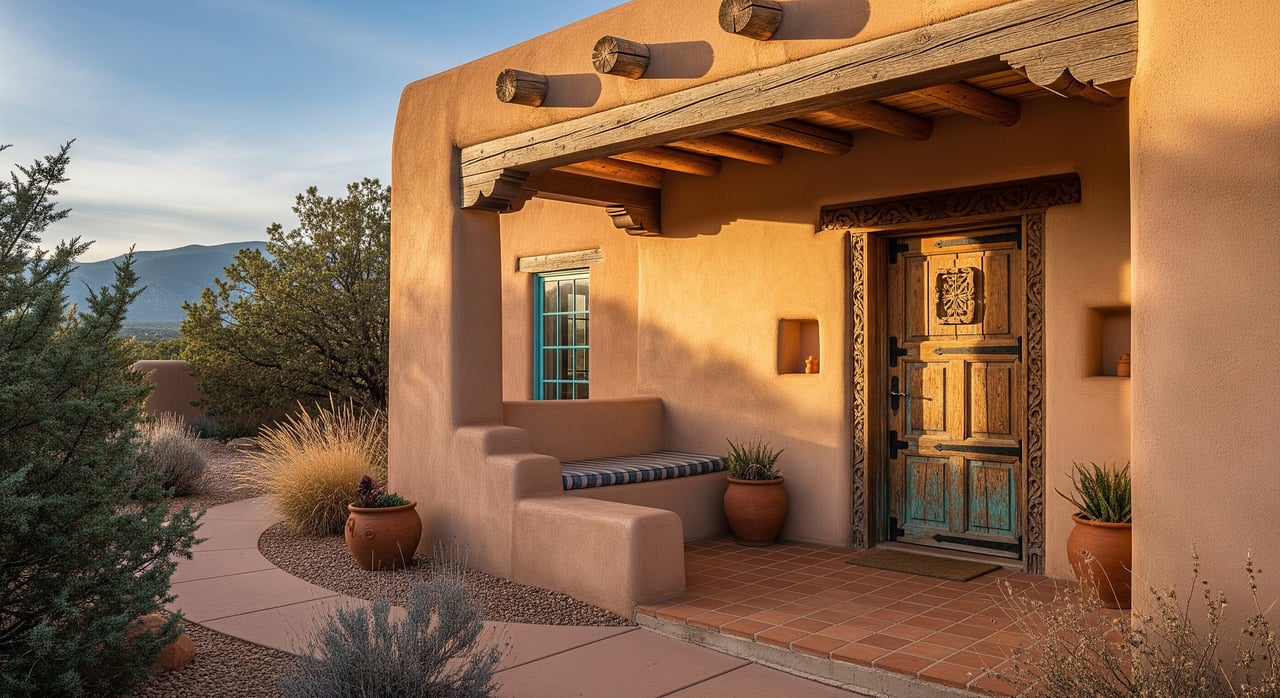
What if two Eastside adobes look similar on paper, yet end up thousands apart in price? In Santa Fe’s Historic District, small details carry big weight. You want to honor the story your home tells while also landing on a number that the market and an appraiser will embrace. This guide gives you a clear path to price with confidence by focusing on what truly drives value, how to prepare smartly, and how to navigate historic rules without losing momentum. Let’s dive in.
Why Eastside adobe pricing is unique
The Historic Eastside is a niche market with a devoted buyer pool. Many buyers care about authenticity, preservation, and the romance of traditional adobe. That focus can create a location and character premium while also narrowing demand compared with suburban homes. Expect more careful scrutiny of materials, systems, and restoration quality.
Comparable sales are harder to find. Many adobes are one of a kind, have been modified over time, or include easements that affect future changes. This makes comp selection more art than science. You can still price strategically, but you should prepare for wider adjustments and a stronger narrative to support your number.
To understand current price trends and time on market, you should consult local sources such as the Santa Fe Association of REALTORS, Santa Fe County Assessor, and City of Santa Fe records. Up-to-date local data is essential context for any pricing decision in this neighborhood.
How value is determined
Sales comparison approach
The sales comparison approach is preferred when you can identify true peers. You compare your home to recent Eastside adobe sales and adjust for size, lot, architectural authenticity, condition, view, and major systems. Provenance and quality of restoration matter. Strong documentation and photos help appraisers quantify differences that do not show in basic stats.
Cost approach
When comps are scarce, appraisers and agents often lean on the cost approach. This method estimates the cost to reproduce or replace your adobe with similar materials and craftsmanship, then subtracts depreciation and adds land value. Local contractor cost inputs for adobe construction and restoration are key here. This approach supports unique historic properties that resist standard comparison.
Income approach
For most owner-occupied single-family adobes, the income approach is not relevant. It can come into play if the property is or could be income producing, such as a vacation rental, subject to local rules. In those cases, potential income may influence value and lender views.
Condition factors that move the price
Adobe and moisture
Moisture is a critical issue with historic adobe. Signs include rising damp, soft earthen bricks, white efflorescence, and plaster delamination. Buyers and appraisers will focus on sources like roof leaks, grading, gutters, or plumbing. Addressing moisture quickly preserves the structure and your pricing power.
Incompatible materials
Portland cement stucco applied to adobe can trap moisture and accelerate deterioration. Many specialists recommend replacing cementitious finishes with historically appropriate lime plaster. If your home has cement-based coats, expect buyers to ask for bids to remedy, which can reduce the price or lead to credits.
Roofs and vigas
Flat roofs and exposed vigas are signature features. They also require diligent care. Rot, membrane failure, and flashing problems can trigger interior damage and moisture issues. Recent roof work by qualified professionals, plus clean documentation, reassures buyers and supports value.
Systems and safety
Older electrical, plumbing, and HVAC systems may not meet modern codes. Lead paint or historic wiring can appear in some homes. Upgrades are often expensive and may affect interior finishes. Clear reports and realistic cost estimates help you price accurately and negotiate without surprises.
Function and layout
Small bedrooms, unconventional kitchens, or limited storage can be part of the charm. They can also reduce marketability if they affect daily use. Quantifying the cost to remedy functional issues gives buyers and appraisers a fair, concrete basis for adjustments.
Permits, reviews, and constraints
The City of Santa Fe requires historic preservation review for exterior alterations within designated historic districts. Interior work may also require review if it affects character-defining features or structural elements. Standard permits still apply for structural work, roofing, electrical, plumbing, and HVAC. Plan ahead for review timelines so you do not delay a sale or renovation.
Some properties carry conservation easements or deed covenants. These agreements can protect neighborhood character while limiting certain changes. Disclosure is essential. Easements may influence value up or down depending on buyer preferences.
Financial incentives exist, though they are specific. The Federal Historic Rehabilitation Tax Credit of 20 percent can apply to certified rehabilitations of income-producing historic structures. Primary residences typically do not qualify. State or local programs may offer grants or technical support, and availability varies. Property taxes are not automatically changed by historic designation, though easements or grants can have tax implications. Consult the City of Santa Fe, the New Mexico Historic Preservation Division, the Santa Fe County Assessor, and the National Park Service for current guidance.
A step-by-step plan to price with confidence
1) Gather the right reports
- General home inspection
- Adobe or masonry specialist evaluation
- Roofing inspection and moisture assessment
- Structural engineer report if you see settlement or cracking
- Electrical, plumbing, and HVAC diagnostics
- Permit history and restoration documentation
If your property is significant or complex, consider commissioning a Historic Structure Report. This document helps appraisers and preservation-minded buyers understand the home’s evolution, materials, and condition in detail.
2) Tackle high-impact fixes
Focus on urgent and visible items that erode value fast. Roof leaks, drainage issues, active pests, and straightforward safety hazards often offer the best return. Moisture control is especially important for adobe longevity.
3) Organize provenance and restoration history
Compile permits, contractor qualifications, scopes of work, and before-and-after photos. Authentic materials and skilled craftsmanship can justify premium pricing when you show the story clearly.
4) Build a compelling pricing case
Use a blended approach when comps are thin: recent local sales, cost-to-replace estimates, and evidence of demand. Demand signals can include strong open-house interest or pre-MLS activity. Provide appraisers with your documentation and photographs so they can support your number with confidence.
5) Choose repairs, credits, or holdbacks
If major unknowns exist, you can price to reflect them or offer credits. In some cases, an escrow holdback works when a lender or buyer requires remediation before closing. Align the approach with your timeline and the likely return on each repair dollar.
6) Market the truth
Lean into authenticity and unique features, and be transparent about maintenance and historic-review responsibilities. Clear expectation-setting attracts the right buyers and reduces late-stage renegotiations.
Smart due diligence for buyers
- Request documentation. Ask for permits, restoration scopes, contractor warranties, and any Historic Structure Reports.
- Commission specialized inspections. Bring in an adobe specialist and a structural engineer before you remove contingencies.
- Budget for upgrades and preservation. Moisture remediation, roof work, plaster repairs, foundation stabilization, and systems modernization should be part of your financial plan.
- Understand review timelines. Changes to windows, exterior finishes, or solar placement may need historic review, which affects timing and cost.
- Negotiate pragmatically. Use repair credits or seller-funded escrow holdbacks when significant unknowns remain. This keeps deals on track without sacrificing protection.
- Consider financing constraints. Some lenders are cautious about older systems or deferred maintenance. You may need certain repairs completed before closing, which can influence structure and price.
Working with the right experts
Historic Eastside transactions benefit from a specialized team. Consider engaging:
- A local appraiser with Santa Fe historic property experience
- An adobe contractor skilled in traditional materials and methods
- A structural engineer familiar with adobe, especially if you see settlement or cracking
- A historic-structure consultant for complex or significant properties
A trusted advisor can coordinate inspections, gather documentation, and frame a pricing strategy that respects both preservation and market reality.
A simple pricing checklist
- Collect local sales, assessor records, permit history, and restoration documents.
- Commission a general inspection, adobe specialist review, and structural engineer report if indicated.
- Obtain contractor bids for significant repairs or retrofits.
- Confirm historic-review requirements and any easements or restrictions.
- Prepare a concise appraiser packet that highlights provenance, restoration quality, and demand signals.
- Decide on pre-listing repairs versus pricing credits based on cost and likely return.
- Disclose construction methods and known issues clearly.
The bottom line
Pricing a Historic Eastside adobe is not about chasing the highest comp. It is about clarity. When you pair honest condition data with a preservation-aware strategy, you give buyers and appraisers what they need to justify your price. That is how you protect both the home’s character and your outcome.
If you want a tailored plan for your home or search, connect with a local advisor who lives and breathes Santa Fe’s historic fabric. Reach out to Rachele Griego for preservation-sensitive guidance, elevated presentation, and a calm path from pricing to closing.
FAQs
What makes pricing a Historic Eastside adobe different?
- The buyer pool is niche and preservation minded, comparable sales are scarce, and condition details like plaster type and roof integrity have outsized impact on value.
How do historic rules affect remodeling plans and price?
- Exterior alterations in the Historic District usually require review and approval, and some interior work can trigger review, so timelines and feasibility influence pricing and negotiations.
Which inspections matter most before I set a price?
- A general home inspection, adobe or masonry specialist review, roofing and moisture assessment, and a structural engineer report if settlement or cracking is present.
Do conservation easements change value?
- Easements and deed covenants can limit alterations while preserving neighborhood character, which can raise or lower value depending on buyer preferences and project goals.
Are there tax credits for restoring my adobe?
- The federal 20 percent rehabilitation tax credit generally applies to certified rehabilitations of income-producing historic structures, while state or local incentives vary by program.
Can I add solar or energy upgrades to a historic adobe?
- Possibly, but placement and visibility are often reviewed, and upgrades must protect historic materials. Expect review timelines and design constraints to guide what is feasible.
