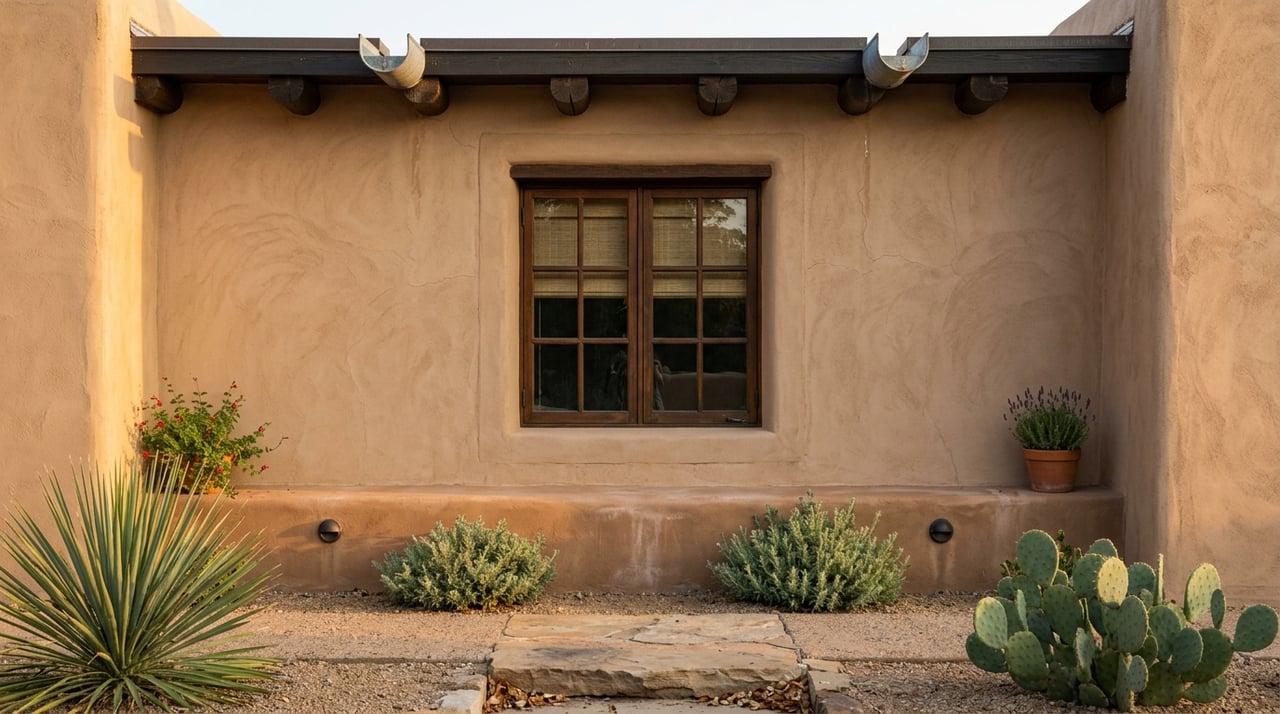
If you own a historic Eastside home, you already know the challenge: how do you improve comfort and function without stripping away the very character that makes the property special? In Santa Fe’s Historic Districts, thoughtful updates matter because visible changes can affect both the home’s architectural integrity and the review process. The good news is that with the right priorities, you can make meaningful improvements while protecting the house’s authentic feel. Let’s dive in.
Why historic Eastside updates need care
Historic Eastside sits within one of Santa Fe’s five historic districts, where exterior changes are reviewed through the City’s Historic Preservation Division and, in some cases, the Historic Districts Review Board. According to the City of Santa Fe Historic Preservation Division, the goal is to preserve historic areas and buildings while maintaining harmony in style, form, color, height, proportion, texture, and material.
That means even well-intended improvements can raise concerns if they change what the public sees from the street. The City’s review materials also distinguish between significant, contributing, and non-contributing properties based on age, integrity, and district character, so prior alterations do not always give you a free pass for new ones. In practice, a preservation-minded approach usually protects both the home’s long-term appeal and your pre-listing investment.
Start with repair over redesign
If your goal is to prepare a historic Eastside home for sale, the safest first move is usually repair rather than reinvention. The strongest returns often come from work that makes the home feel well cared for, compatible, and true to its original character.
For many owners, that means focusing first on the building envelope and visible upkeep. Roof drainage, plaster repair, windows, portals, garden edges, and low walls often matter more than trend-driven cosmetic changes. In Eastside, buyers are often responding to authenticity as much as finish level.
Protect stucco and adobe walls
For adobe and historic masonry, preservation guidance from the National Park Service recommends compatible mud or lime plaster, repair instead of wholesale replacement where possible, and careful moisture management. The same guidance warns against synthetic stucco and waterproof coatings that can trap moisture inside walls. You can review that advice in the National Park Service treatment guidelines.
This matters because a fresh, uniform exterior is not always the same thing as a healthy one. On an older Eastside house, the wrong exterior treatment can create hidden moisture issues while also making the home feel less authentic.
Prioritize drainage
Water is one of the biggest long-term threats to historic adobe construction. The National Park Service recommends maintaining gutters and downspouts so water moves away from the house quickly, and keeping vines or moisture-retaining shrubs away from walls. Their guidance on controlling moisture through walls is especially relevant if you are planning pre-listing maintenance.
In practical terms, buyers notice signs of deferred water management. Even simple improvements to drainage and landscape clearance can help a house present as sound, cared for, and easier to steward.
Be careful with visible exterior changes
In Santa Fe’s Historic Districts, interior updates are often less sensitive than exterior alterations. Because the City’s process is focused heavily on what is publicly visible, behind-the-scenes modernization can be a smarter place to spend if you want improved livability without inviting unnecessary design conflict.
That does not mean exterior work is off limits. It means visible elements such as windows, colors, equipment, and material changes deserve extra planning before you move forward.
Windows and doors matter
Current City design tables favor recessed frames, divided lites, articulated lintels, and screened mechanical equipment. Recent Eastside cases have also shown more support for painted wood windows with matching lite patterns than for contemporary-looking visible replacements, based on the City’s design guidance and archived review materials.
If you are replacing windows or adjusting visible openings, details matter. A choice that seems minor on paper can change the rhythm and texture of the facade in a way reviewers and buyers both notice.
Color and materials affect compatibility
Santa Fe’s current design tables generally favor earth tones, creams, and pastel earth hues. The same materials note that metallic colors, glass, and black are often considered a poor fit, and recent Eastside review cases have flagged dark stucco, black accents, and visible steel as inappropriate in some publicly visible settings. You can see those standards in the City’s design tables and in recent HDRB meeting minutes.
For sellers, this is an important checkpoint. A bold, design-forward exterior may feel current, but in Historic Eastside it may not support the sense of continuity that helps a home resonate with this market.
Improve interiors without losing character
One of the most practical strategies is to modernize what buyers feel every day while preserving what they see and love about the home’s Santa Fe character. Kitchens, baths, lighting, heating and cooling systems, and other behind-the-scenes upgrades can often add comfort without changing the street-facing shell.
This approach aligns with the City’s exterior-focused review process. If your house already has a strong sense of place, your goal is often not to make it look new. Your goal is to make it feel functional, calm, and carefully maintained.
Think about walls, fences, and landscaping
On the Eastside, the setting around the house matters almost as much as the house itself. Santa Fe’s wall and fence guidelines treat walls, fences, open space, and landscaping as part of one connected streetscape.
The guidelines encourage walls that break up long runs, modest height changes, gates at private entries, and native, drought-resistant planting. They also note that walls and fences of 4 feet or less should not be regulated by historic district rules, reinforcing the preference for lower and more transparent front edges.
Landscape for authenticity and maintenance
Landscaping does not need to be elaborate to be effective. In fact, restrained planting that respects the home’s architecture and supports drainage often reads better than lush growth pressed against stucco walls.
If you are preparing to list, look for ways to clarify the entry sequence, tidy garden edges, and keep planting compatible with the home’s massing and materials. The result is usually a property that feels settled and authentic rather than overworked.
Understand approvals before you start
Before making exterior changes, start with a Historic Districts Application through the City of Santa Fe. The Historic Preservation Division assigns a staff planner, and minor alterations may be approved administratively. More substantial projects go to the Historic Districts Review Board.
This step matters because even routine-looking work may trigger review depending on the scope. The City notes that exterior work in historic districts must be pre-approved by HPD, while some simple maintenance and repair work may not require a construction permit.
Know which projects often need review
According to the City, roofing, window replacement, solar panels, new mechanical equipment, and re-stuccoing generally require permits. If you are trying to time pre-listing work, those categories deserve early attention so you can avoid delays.
The City also handles emergencies differently, such as an actively leaking roof or sewer break. If your house needs urgent stabilization, there may be a faster path than the normal timeline for elective improvements.
Plan for timing and fees
If your project is more involved, the review process can affect your calendar. The City’s HPD fee schedule lists a $75 fee to initiate a pre-application visit, $100 for maintenance or repair administrative approval, and a hearing fee of 0.05% of construction cost for HDRB cases.
For projects that go to hearing, the HDRB process is quasi-judicial, the board meets every second and fourth Tuesday, and applicants are expected to provide photos, exterior finishes, site plans, floor plans, and elevations. If you hope to list on a specific timeline, it helps to work backward from these dates.
What buyers often respond to
In Historic Eastside, buyers are rarely looking for a house that feels generic or newly standardized. They are often responding to proportion, texture, material honesty, and the sense that the home has been cared for with restraint.
That is why visible care tends to outperform wholesale modernization here. A repaired plaster wall, well-maintained wood window, clean drainage path, or appropriately scaled garden edge can do more for the home’s presentation than a dramatic exterior redesign.
A smart pre-listing mindset
If you are updating a historic Eastside home before selling, think like a steward first and a renovator second. Focus on repairs that protect the structure, visible details that support historic compatibility, and interior improvements that quietly improve day-to-day comfort.
That balance can help you preserve what makes the property special while still preparing it for today’s buyer. If you are weighing what to repair, what to leave alone, and what may need review, Rachele Griego brings a preservation-aware, concierge-level approach to historic Santa Fe homes.
FAQs
What kinds of exterior work on a Historic Eastside home usually need approval?
- In Santa Fe’s historic districts, exterior work must be pre-approved by the Historic Preservation Division, and projects like roofing, window replacement, solar panels, new mechanical equipment, and re-stuccoing generally require permits.
What updates are usually safest before listing a Historic Eastside home?
- Repair-focused work such as improving roof drainage, repairing compatible plaster, maintaining windows, and tidying walls and garden edges is often the safest pre-listing investment.
What exterior colors fit Santa Fe Historic Eastside guidelines best?
- Current City design tables generally favor earth tones, creams, and pastel earth hues, while metallic colors, glass-heavy looks, and black can be viewed as poor fits in visible areas.
Can you modernize the inside of a historic Santa Fe home without changing its character?
- Yes. Interior updates to kitchens, baths, and systems can often improve function and comfort while preserving the home’s street-facing historic character.
How long can Historic Districts Review Board approval take in Santa Fe?
- Timing depends on the project scope, but HDRB cases are scheduled around board hearings, which are held on the second and fourth Tuesday of each month, so it is wise to plan early.
Why does drainage matter so much for historic adobe homes in Santa Fe?
- Good drainage helps move water away from the house quickly, which is important because trapped moisture can damage adobe walls, plaster, and other historic materials.
