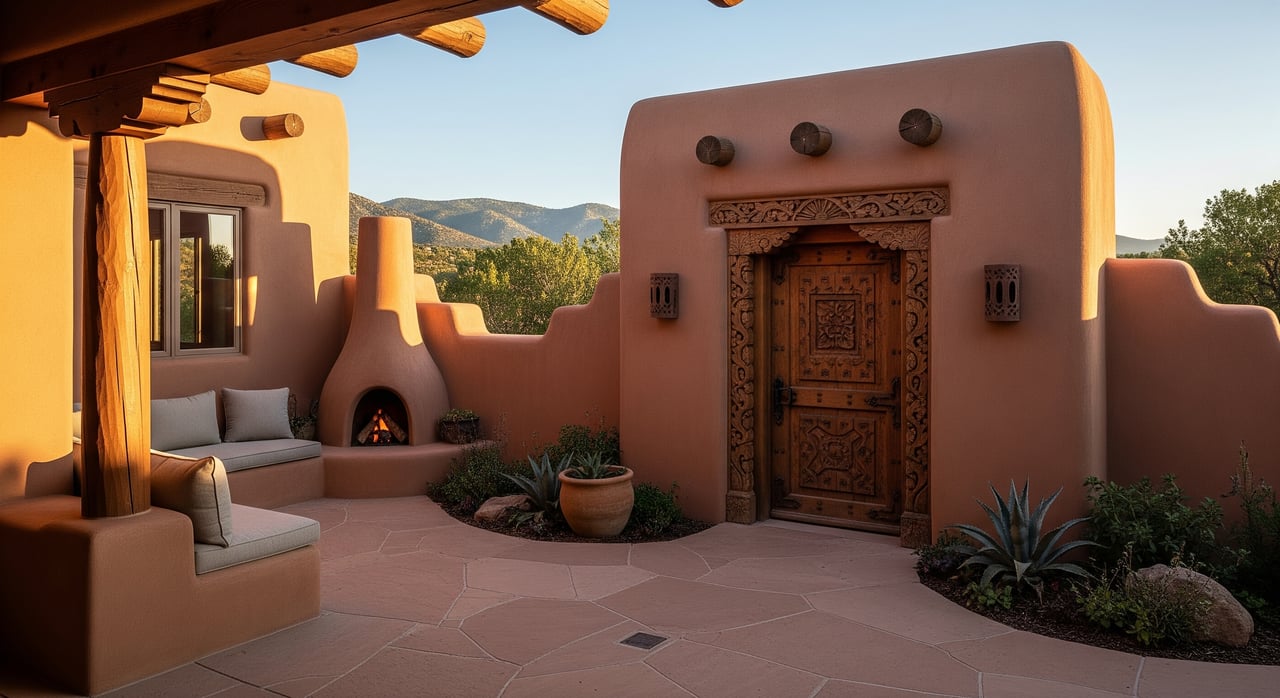
If you have fallen for Santa Fe’s thick walls, rounded corners, and warm plaster, you are not alone. Adobe is at the heart of the city’s character, and it carries unique rewards and responsibilities for owners. Whether you are buying, selling, or caring for a home, understanding what adobe construction really means will help you make confident decisions. This guide explains how true adobe differs from look-alike stucco, what to watch for in inspections and maintenance, and how adobe affects permits, insurance, and value in Santa Fe. Let’s dive in.
What adobe means in Santa Fe
Adobe is one of the world’s oldest building methods and a defining feature of northern New Mexico. In Santa Fe, you will see everything from centuries-old earthen walls to modern homes designed to look like adobe. That variety is beautiful, but it can be confusing when you are evaluating a property.
True adobe vs stucco-over-frame
- True adobe uses sun-dried earthen bricks or monolithic earthen walls laid in mud mortar. These walls are thick, often 12 to 24 inches or more, and they support the structure.
- Many historic adobes have been upgraded over time with breathable lime or earth plasters, roof improvements, or structural reinforcements.
- Some newer homes use modern framing and are finished with stucco to mimic the adobe look. These are not earthen mass walls, and they perform differently in terms of structure, moisture, and energy.
Knowing which type you are buying matters because maintenance, repair methods, and long-term performance differ.
How adobe performs
Adobe’s strengths and limitations are tied to the material itself. If you understand those fundamentals, you can plan realistic care and upgrades.
Benefits you will notice
- Thermal comfort: Thick adobe walls absorb and release heat slowly, which helps moderate indoor temperatures in a climate with warm days and cool nights.
- Cultural and aesthetic value: Authentic adobe is central to Santa Fe’s identity and is often sought after by buyers who value historic character.
- Longevity with care: When you keep water away and use compatible materials, adobe can last for centuries.
Limitations to plan for
- Moisture sensitivity: Prolonged moisture is the main threat. Water at the wall base, poor grading, roof leaks, or irrigation spraying walls can accelerate deterioration.
- Finish compatibility: Portland cement stucco is less permeable than traditional mud or lime plasters and can trap moisture in adobe walls.
- Maintenance: Periodic re-plastering and vigilant roof and drainage upkeep are part of responsible adobe ownership.
- Structure and seismic: Unreinforced adobe is more vulnerable in earthquakes than modern framed construction. Upgrades are possible but require specialists.
- Wood elements: Vigas, lintels, and other wood components can rot or attract pests if not properly detailed and maintained.
- Energy nuance: Thermal mass helps, but adobe alone is not modern insulation. In colder periods, additional strategies may be needed for efficiency.
Inspection checklist for adobe homes
Bring in an inspector or consultant with adobe experience. A standard inspection may not catch adobe-specific risks. Ask them to review:
- Walls and plaster: Look for surface erosion, hollow-sounding areas, bulging, large cracks, or loss of mortar.
- Base and foundation: Check for rising damp, erosion at the wall base, or walls that meet soil directly.
- Roof and drainage: Evaluate the roof membrane, parapet flashings, viga ends, and how water moves off and away from the house.
- Finish compatibility: Flag cement-based stucco over adobe and assess the condition of existing mud or lime plasters.
- Interior clues: Note damp stains, efflorescence, fungal growth, or uneven floors that could signal moisture or settlement.
- Seismic vulnerabilities: Identify long, unreinforced wall runs, missing bond beams, or weak wall-to-roof connections.
- Documentation: Request records of past repairs, what materials were used, and who performed the work.
Maintenance and repair basics
A simple rule guides adobe care: keep water out and let walls breathe.
- Manage water: Maintain roofs, gutters, and downspouts, and keep grading sloped away from the home. Do not let irrigation spray the walls.
- Choose breathable finishes: Use compatible mud or lime-based plasters that allow vapor movement. Expect periodic re-plastering based on exposure.
- Watch wood: Monitor viga ends, lintels, and roof penetrations for leaks or deterioration.
- Avoid impermeable coatings: Cement stucco and non-breathable paints can trap moisture in adobe.
Cement stucco considerations
If you see portland cement stucco over adobe, proceed carefully. It can trap moisture within the earthen wall. In some cases, selective removal and replacement with a breathable plaster may be recommended. This work must be done by professionals who understand adobe to avoid damaging the underlying material.
Seismic and structural upgrades
For added resilience, especially in unreinforced historic homes, experienced engineers can design upgrades such as ring beams, anchors, or steel rods. These reinforcements are specialized and should be integrated with compatible materials and preservation-minded methods.
Renovations, permits, and historic rules
Many adobe homes in Santa Fe sit within historic districts or overlay areas that require review of exterior changes. Before planning work:
- Confirm design review: Exterior alterations, additions, or demolition may need approval from the City of Santa Fe’s historic preservation staff or relevant boards.
- Pull needed permits: Structural, electrical, plumbing, additions, and re-roofing typically require permits from the City of Santa Fe or Santa Fe County if the property is outside city limits.
- Plan for codes: Traditional materials are recognized, but new work often needs engineered solutions to meet current structural, wind, and seismic standards.
- Use compatible materials: For historic adobe, breathable plasters are generally preferred over cement-based stucco.
- Check drainage and flood zones: Site-specific drainage rules and FEMA floodplain considerations may apply.
If in doubt, contact City of Santa Fe Historic Preservation staff, the City’s Building and Safety Department, Santa Fe County Land Use for county properties, or the New Mexico State Historic Preservation Office for guidance.
Insurance, financing, and value
Adobe’s desirability in Santa Fe is high, but underwriting and appraisal can be nuanced.
- Insurance: Carriers vary in how they underwrite historic or earthen homes. Some may require additional inspections or apply different replacement-cost assumptions. Get quotes early in your purchase process.
- Financing: Lenders might require certain repairs or engineering clearance. Plan time for specialist evaluations if the home is unreinforced or has moisture issues.
- Valuation: Authenticity and architectural integrity can add market appeal, while needed moisture repairs or structural retrofits can affect price. Appraisers consider both condition and character.
Buyer strategies
If you are considering an adobe home, set yourself up for a smooth transaction.
- Hire adobe-savvy inspectors and, when needed, a structural engineer with adobe experience.
- Understand ongoing maintenance, including periodic re-plastering and diligent roof and drainage care.
- Request documentation of past repairs, materials, and permits.
- Obtain insurance quotes and confirm lender requirements early.
Seller strategies
Thoughtful preparation can protect value and build buyer confidence.
- Order a pre-listing adobe assessment to identify issues you can address before market.
- Disclose known defects, water history, and prior repairs with materials noted.
- Tackle visible, cost-effective fixes such as roof flashings, drainage improvements, and patching failing plaster with compatible materials.
- Organize maintenance records and permit history to streamline due diligence.
When to call specialists
Adobe is a craft. For best results, involve:
- Adobe masons and contractors experienced with earthen materials and breathable plasters.
- Architects or structural engineers who know adobe detailing and seismic upgrades.
- Historic preservation consultants for district rules and sensitive design.
If you are new to Santa Fe or busy, a trusted local advisor can help coordinate specialists, timing, and documentation so your project aligns with preservation standards and market expectations.
Owning an adobe home in Santa Fe is both an aesthetic choice and a stewardship role. When you understand how the material works, plan for moisture control, and engage the right experts, adobe rewards you with comfort, beauty, and heritage value. If you are exploring a purchase or planning a sale, thoughtful preparation will pay off in smoother negotiations and long-term peace of mind.
Ready to talk through an adobe you are considering or preparing to list? Let’s connect — start your Santa Fe journey with Unknown Company.
FAQs
What is adobe construction in Santa Fe homes?
- Adobe uses sun-dried earthen bricks or monolithic earthen walls with mud mortar, typically forming thick, load-bearing walls that define Santa Fe’s historic architecture.
How do I tell true adobe from stucco-over-frame?
- True adobe has thick earthen mass walls that support the structure, while stucco-over-frame uses modern framing with a stucco finish to mimic the look and performs differently.
How often does adobe need maintenance?
- Expect periodic re-plastering with breathable materials and regular roof and drainage upkeep. Frequency depends on exposure, materials, and workmanship.
Is cement stucco a problem on adobe walls?
- Portland cement stucco is less permeable and can trap moisture in adobe. Many historic adobes perform best with mud or lime-based plasters.
Are adobe homes energy efficient?
- Adobe’s thermal mass moderates temperature swings, but it is not a substitute for modern insulation. Additional strategies may be needed in prolonged cold.
What are common signs of water damage in adobe?
- Look for erosion or loss of mortar at the wall base, bulging, large cracks, damp staining, efflorescence, or hollow-sounding areas in the plaster.
How do adobe homes affect insurance and financing?
- Underwriting practices vary. Some carriers and lenders may require extra inspections or repairs. Get insurance quotes and clarify lender conditions early.
Do historic district rules limit changes to adobe homes?
- Many areas in Santa Fe require review and permits for exterior changes. Always check with City or County offices and preservation staff before work.
What is involved in seismic upgrades for adobe?
- Common approaches include ring beams, anchors, or steel rods designed by engineers experienced with adobe to improve wall connections and stability.
